
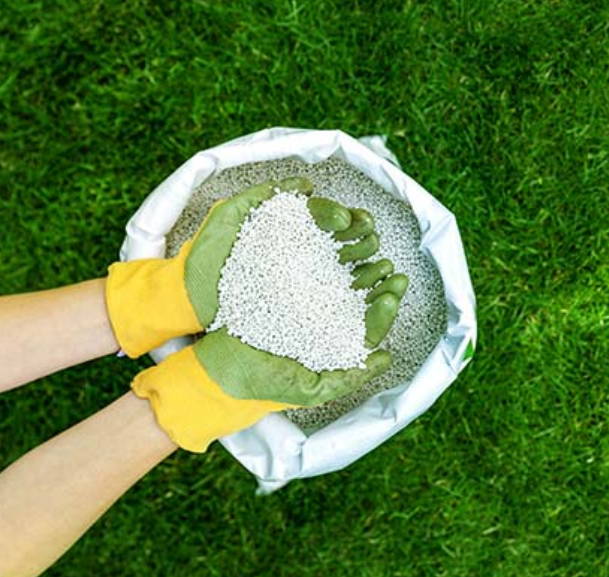
Nutrients Matched to Growth Stage
Lawn Fertilization in Raleigh for turf that lacks density, color, or consistent growth through the season
Turf that appears pale, grows unevenly, or thins out between mowing cycles often signals nutrient deficiencies that fertilization can address. Jes Landscaping LLC applies lawn fertilization in Raleigh, Garner, Holly Springs, and surrounding areas based on grass type, current condition, and the time of year when growth patterns shift. Fertilization supplies nitrogen, phosphorus, and potassium in ratios that support root development, blade production, and resilience without forcing excessive top growth that weakens the plant.
Fertilizer needs change throughout Raleigh's growing season as temperatures rise and fall and as grass moves between active growth and dormancy. Warm-season grasses require heavier feeding during summer months when they produce new shoots and expand root systems, while cool-season varieties benefit from autumn applications that prepare them for winter stress. Applying the wrong nutrient balance or timing fertilization poorly can result in rapid but weak growth that increases mowing frequency without improving lawn health.
Request a lawn evaluation to identify nutrient gaps and develop a fertilization schedule aligned with your property's grass type and seasonal needs.
How Fertilization Addresses Nutrient Deficiency
Fertilizer works by delivering specific nutrients that soil cannot supply in sufficient quantities for sustained turf growth. Nitrogen drives blade production and color, phosphorus supports root expansion, and potassium strengthens cell walls to improve drought and disease resistance. Soil testing reveals which elements are lacking and guides application rates so fertilizer addresses actual deficiencies rather than simply adding bulk.
After fertilization, you notice deeper green color within one to two weeks as nitrogen moves into the grass plant and accelerates chlorophyll production. Turf becomes denser as new shoots emerge from the crown, and growth becomes more uniform across the lawn as nutrient availability evens out. Jes Landscaping LLC adjusts fertilizer formulations and timing based on observed turf response and seasonal growth patterns.
Fertilization should be coordinated with irrigation and mowing practices to avoid nutrient runoff or uneven distribution. Applying fertilizer before expected rainfall helps nutrients reach the root zone, while mowing at the correct height prevents stress that limits nutrient uptake. Properties with irrigation systems or consistent watering schedules typically see faster response to fertilization than those relying solely on natural rainfall.
Answers to Frequent Service Questions
Customers often ask how fertilization fits into their overall lawn-care plan and what they should expect after applications are completed.
Jes Landscaping LLC develops fertilization schedules based on lawn condition, soil quality, and seasonal growth patterns in Raleigh and throughout the Triangle. Arrange a property assessment to discuss nutrient management strategies that match your turf's current needs and long-term maintenance goals.
What determines the right fertilizer formula for my lawn?
Grass type, soil composition, current turf health, and the time of year all influence which nutrient ratios support growth without causing imbalances or excessive top growth.
How does Raleigh's seasonal cycle affect fertilization timing?
Warm-season grasses actively grow from late spring through early fall and require feeding during that window, while cool-season varieties benefit from fertilization in autumn and early spring when temperatures favor their growth.
What should I avoid doing after fertilization?
Heavy foot traffic, mowing before the lawn has been watered or rained on, and irrigation that causes runoff can all reduce how much fertilizer reaches the root zone where it supports growth.
How often should lawns be fertilized?
Most residential lawns benefit from three to five applications per year, with timing and formulation adjusted to match growth stage, but properties with poor soil or heavy use may require more frequent feeding.
What changes indicate fertilization is working?
Improved blade color, increased shoot density, and more uniform growth across the lawn all suggest that nutrients are reaching the root zone and supporting healthier turf development.